



From Overgrown Lot To Buildable Land
Precision Land Clearing In Anoka County MN
Land Clearing Services In The North Metro
Make Yourself At Home While Preserving Your Land
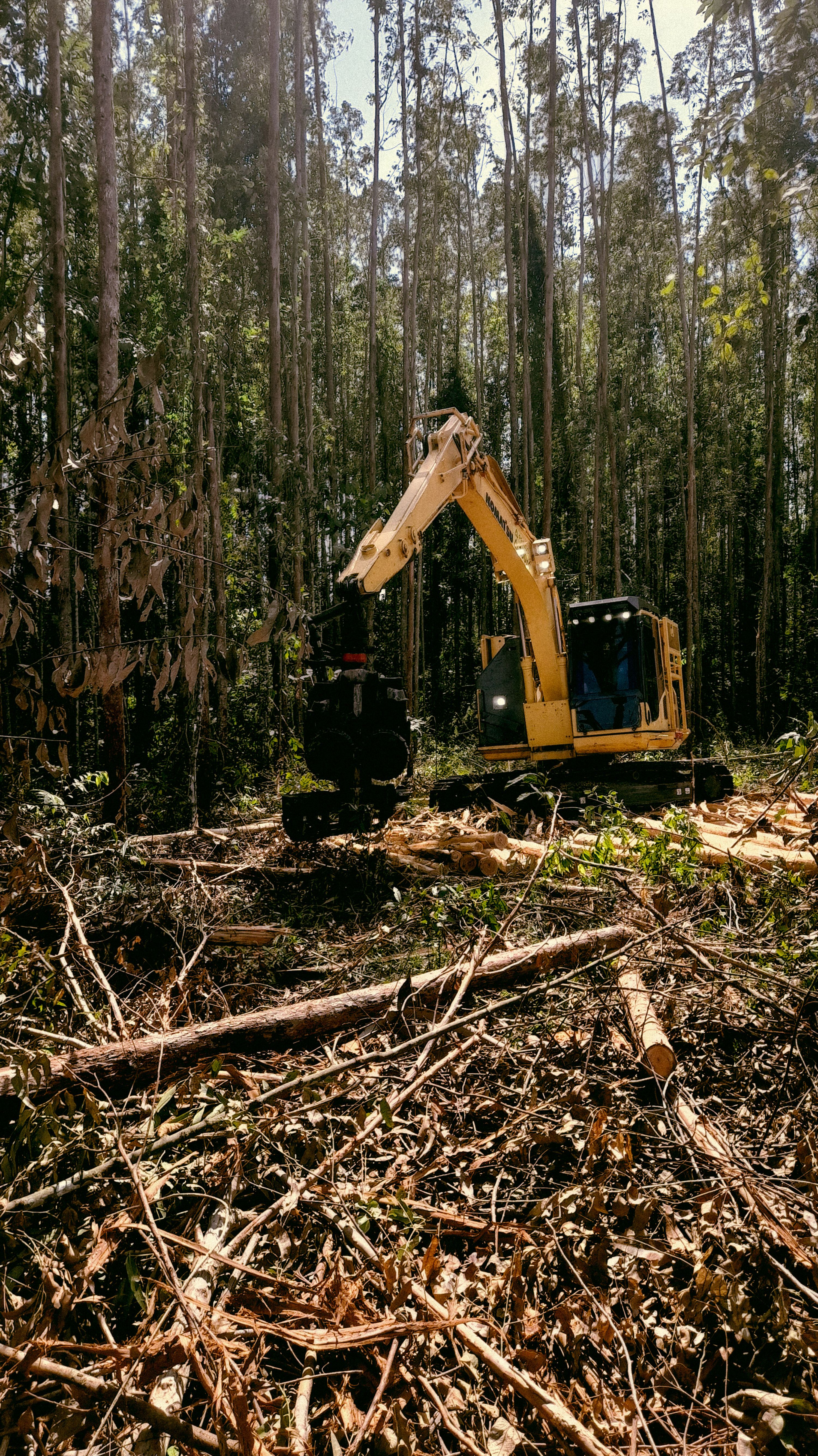
Land clearing has a reputation, fairly or not, for meaning total removal, every tree and bit of undergrowth stripped down to bare ground regardless of what was actually worth keeping. That approach might be faster, but it's rarely what a property actually needs, and it often removes healthy, valuable trees along with the overgrowth that was the real problem. Top Tier Tree approaches land clearing as a selective process, evaluating a property to determine what's genuinely overgrown, hazardous, or in the way of a specific project, and what's worth preserving. Overgrown lots aren't just an aesthetic issue either, dense brush and undergrowth create real fire risk and pest habitat, and reduce the actual usable space on a residential or rural property. When clearing is tied to a construction or building project, timing becomes a genuine factor, since clearing needs to happen early enough in the process that it doesn't become the reason a project timeline slips. Fence lines and property borders tend to be the most overlooked candidates for clearing, mostly because overgrowth there develops gradually until it's a bigger, more expensive job than it would have been if addressed a season or two earlier.
Schedule Your Consultation
Protect Your Family, and Your Land, With a Free Risk Assessment
Homeowner's Guide To Land Clearing In Anoka County
Important Factors To Decide What Gets Cleared And What Stays
The word clearing tends to imply an all or nothing outcome, but the properties that actually need this service usually have a mix of what's worth keeping and what genuinely needs to go, and treating the whole lot the same way wastes value on both ends. A healthy, mature tree standing in the middle of an otherwise overgrown lot shouldn't be removed just because it's easier to clear everything at once, and conversely, dense brush and volunteer growth along a fence line shouldn't be left standing just because a homeowner assumed clearing meant a bigger, more disruptive project than they wanted. The stakes get more concrete once a construction or building project enters the picture, since a lot that isn't cleared on schedule can delay grading, foundation work, or permitting in ways that ripple through an entire project timeline. Overgrowth also isn't a static problem, brush and undergrowth that seem manageable one season can become a genuine fire risk or pest habitat concern within a few years if left unaddressed, particularly along property borders that don't get regular attention. None of this requires clearing more than what's actually necessary, it just requires an actual assessment of the property before equipment shows up, which is the same standard applied across every other service Top Tier Tree offers.
Why Your Neighbors Often Opt For Clearing Their Land
Overgrown lots create genuine fire risk, pest habitat, and reduced usable space: Dense brush and undergrowth left unmanaged for multiple seasons compound these risks over time, turning a manageable clearing job into a bigger, more urgent one the longer it's put off.
Selective clearing preserves healthy, valuable trees while removing what's actually in the way: Clearing a lot flat by default wastes trees that could have stayed, while a selective approach protects that existing value and only removes what genuinely needs to go.
Proper clearing prepares a site for what comes next without leaving debris or stumps behind: Whether the next step is construction, planting, or landscaping, a site that's actually finished, not just partially cleared, is what allows that next phase to move forward without complications.
The Best Timing To Have Your Land Assessed
Before a construction or building project begins: Clearing needs to happen early enough to avoid delaying the project timeline. Grading and foundation work typically can't proceed until the site is fully cleared, which makes clearing one of the first, not last, steps to schedule.
Overgrown fence lines and property borders are easier and cheaper to clear before growth becomes fully established: Brush and volunteer trees along a border become more labor intensive to remove the longer they're left, making earlier action meaningfully less costly than waiting.
Professional. Trusted. Top-Tier
Because Top-Tier People Deserve A Top-Tier Experience
Step 1: Assessment and Diagnosis
A certified evaluation of the tree's species, health, structural condition, and proximity to your home or power lines determines whether removal is actually necessary or whether pruning, cabling, or another form of management is right to solve your problem instead.
Step 2: Honest Recommendation
You get a clear explanation of what was found and why a specific plan, whether that is removal, pruning, or ongoing health management, is the right call for this tree. We walk through pricing, timelines and next steps so you know exactly what to expect and how to plan for protecting your home and your budget.
Step 3: Safety-First Execution
For open space trees, a straightforward fell. For anything near a structure, fence, or power line, our expert crew will climb and remove the tree in sections using proper rigging, always in full PPE.
Step 4: Clean-UP and Re-planting Guidance
Debris is chipped and hauled, stumps are addressed as their own step, and where a tree comes down, you get real guidance on replanting with species diversity in mind so one future pest or disease cannot wipe out the whole yard again.
We Speak Your Language
Transparent Land Management You Actually Understand
Blake started Top Tier Tree because he was tired of watching neighbors get talked into removals they didn't need. A tree that's been on a property for forty years doesn't deserve a five minute look and a quote written on the back of a business card. When you call Top Tier every job starts the same way it did on day one, we walk the property, take a real look at what's going on with your property , and provide a straight, no-BS answer about what needs to happen next, always prioritizing management over removal. No upsell, no scare tactic about your roof. Just someone who actually knows trees, telling you the truth about yours.
FAqs
Common questions Your Neighbors Are asking
Does Land Clearing Mean Removing Every Tree On My Property?
Not typically, and not by default with Top Tier Tree. Selective clearing removes what's overgrown, hazardous, or specifically in the way of a project, while deliberately preserving healthy trees that are worth keeping.
How Do I know If I need TO Clear My Lot Before COnstruction?
Yes, clearing is often a required first step before grading or foundation work can begin, and scheduling it early in the project timeline avoids it becoming the reason later steps get delayed.
Worried about a tree on your property? Let's Take A closer look
Rooted Right Here in Anoka County. Serving The Twin Cities Metro
Don't see your city listed? Don't worry, we probably serve your neighborhood as well. Reach out today to confirm.
Oak Grove MN
Andover MN
St. Francis MN
Ramsey MN
Ham Lake MN
Nowthen MN
Elk River MN
Anoka MN
Rogers MN
Dayton MN



Anoka County's Trusted Provider Of Professional Tree Services. Proudly Serving Oak Grove, MN and the surrounding North Metro.
Certified & Insured For All Tree Services In The State Of Minnesota
Copyright 2026. Top Tier Tree. All rights reserved.