



Fall Clean-Up Made Easy
Convenient Brush Chipping In Anoka County MN
Brush Chipping Services In Anoka County
Cleaning Up your Yard Has Never Been So Much Fun
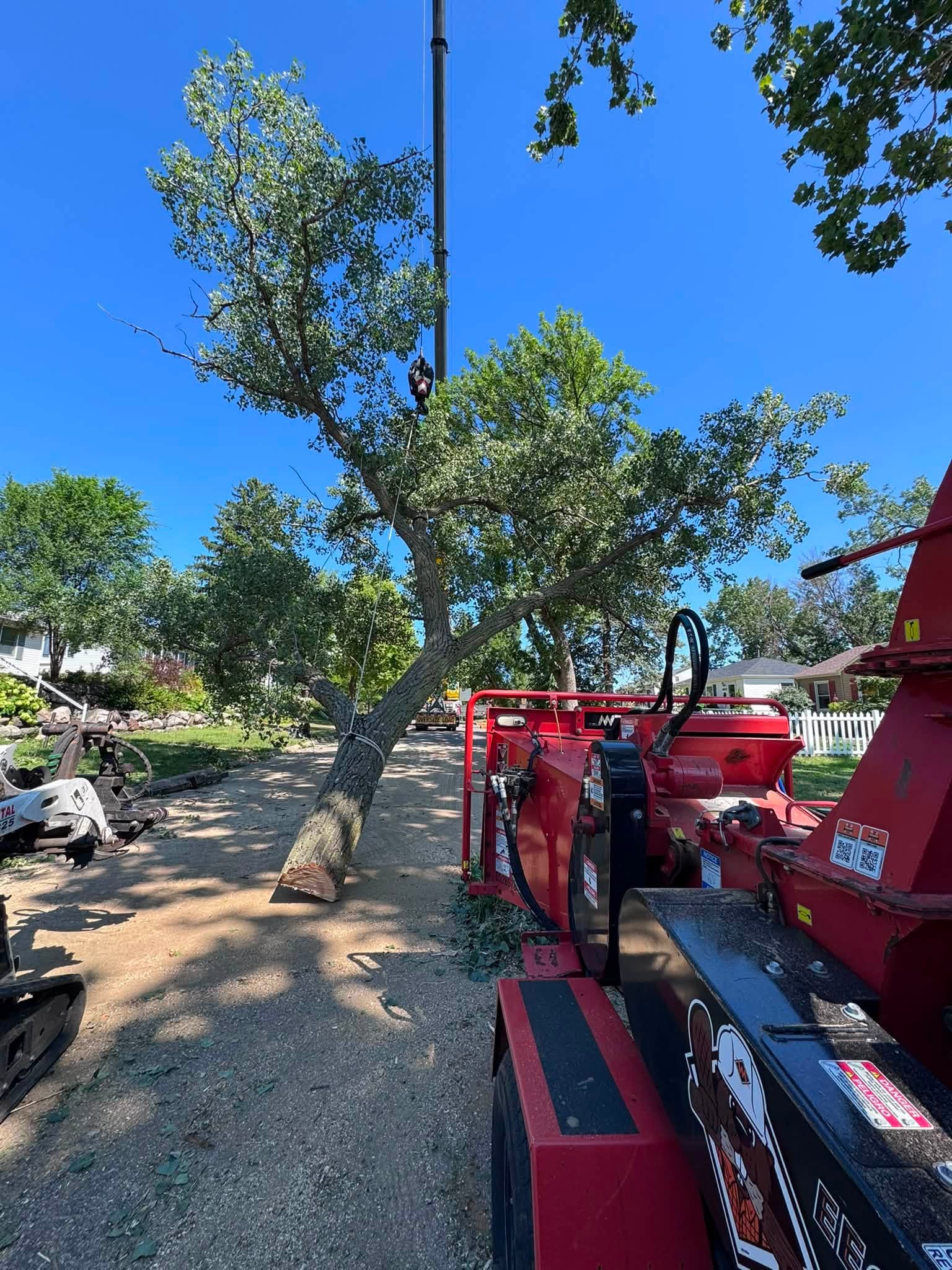
Brush chipping is the kind of service that only gets noticed when it's missing, a property where the trees are handled but the debris is left in piles doesn't feel finished, regardless of how good the actual removal or pruning work was. Top Tier Tree covers post removal debris chipping, seasonal brush pile removal, storm debris chipping, and general property cleanup involving downed branches and brush. We treat chipping as a standard part of finishing any job, not an optional extra, connecting directly to the same standard applied across every service offered, a job isn't complete until the property looks better than it did when the crew arrived. Left alone, brush and branch piles aren't a neutral inconvenience either, they're a fire hazard and pest habitat if allowed to sit on a property for an extended period, particularly through a dry summer stretch or into the following season. Chipping also converts what would otherwise be waste into something usable, mulch that can either be hauled away or left on the property depending on what the homeowner actually wants.
Schedule Your Consultation
Protect Your Family, and Your Land, With a Free Risk Assessment
When Brush Chipping Might Make Sense For You
The Homeowner's Guide To Understanding Brush Chipping In Anoka County
Chipping tends to get treated as an implied, automatic part of any tree job, but that assumption is exactly where gaps show up, some companies chip and haul everything, others leave brush piles behind as the homeowner's problem to deal with, and the difference usually isn't clear until the crew has already left. A brush pile sitting on a property isn't just visually unfinished either, it's a genuine fire risk during dry stretches and a habitat for pests that would otherwise have no reason to be drawn to that part of the yard. The volume of debris also isn't constant throughout the year, seasonal storms in particular can generate a significant amount of brush and branch material all at once, well beyond what a typical pruning job produces, and that volume needs a real plan rather than an assumption that it'll get handled eventually. There's also a version of this service that has nothing to do with a company's own tree work at all, a homeowner dealing with an existing pile from a storm, a DIY pruning attempt, or a job done by someone else entirely still needs somewhere to turn, and chipping works just as well as a standalone service in that situation. None of this is complicated, but it does require actually finishing the job rather than treating debris removal as someone else's problem once the cutting is done.
Why Brush Chipping Is So Important
Leftover brush and branch piles are fire hazards and pest habitat if left on a property for an extended period: The risk compounds the longer debris sits, particularly through dry summer conditions when brush piles become significantly more flammable.
Chipping converts debris into usable mulch rather than requiring separate hauling and disposal: This gives the homeowner a genuine choice, keep the material as mulch for landscaping use or have it hauled away entirely, rather than treating the debris as pure waste by default.
A cleared property looks and feels finished, rather than mid project, once debris is fully cleared: The difference between a technically completed job and a genuinely finished one usually comes down to whether the debris is actually gone, not just cut down.
When Is The Best Time For Brush Chipping
Immediately following any tree removal or pruning job, before debris piles have a chance to sit and attract pests: Scheduling chipping as part of the same visit, rather than a separate follow up, avoids leaving unfinished debris on the property even temporarily.
After seasonal storm cleanup, when brush volume on a property tends to be highest: Storm events generate debris volume well beyond typical maintenance work, and addressing it promptly reduces both fire risk and the amount of time the property looks visibly damaged.
Professional. Trusted. Top-Tier
Because Top-Tier People Deserve A Top-Tier Experience
Step 1: Assessment and Diagnosis
A certified evaluation of the tree's species, health, structural condition, and proximity to your home or power lines determines whether removal is actually necessary or whether pruning, cabling, or another form of management is right to solve your problem instead.
Step 2: Honest Recommendation
You get a clear explanation of what was found and why a specific plan, whether that is removal, pruning, or ongoing health management, is the right call for this tree. We walk through pricing, timelines and next steps so you know exactly what to expect and how to plan for protecting your home and your budget.
Step 3: Safety-First Execution
For open space trees, a straightforward fell. For anything near a structure, fence, or power line, our expert crew will climb and remove the tree in sections using proper rigging, always in full PPE.
Step 4: Clean-UP and Re-planting Guidance
Debris is chipped and hauled, stumps are addressed as their own step, and where a tree comes down, you get real guidance on replanting with species diversity in mind so one future pest or disease cannot wipe out the whole yard again.
We Speak Your Language
Transparent Land Management You Actually Understand
Blake started Top Tier Tree because he was tired of watching neighbors get talked into removals they didn't need. A tree that's been on a property for forty years doesn't deserve a five minute look and a quote written on the back of a business card. When you call Top Tier every job starts the same way it did on day one, we walk the property, take a real look at what's going on with your property , and provide a straight, no-BS answer about what needs to happen next, always prioritizing management over removal. No upsell, no scare tactic about your roof. Just someone who actually knows trees, telling you the truth about yours.
FAqs
Common questions Your Neighbors Are asking
Can I Keep The Wood Chips From My Property?
Yes, chips can be left on site as usable mulch instead of hauled away, and it's worth requesting that specifically ahead of time so the crew plans for it.
Do You Chip Brush remains even if you didn't remove the trees/do the pruning?
Yes, brush chipping is available as a standalone service for existing debris piles on a property, independent of whether Top Tier Tree performed the original tree work.
Worried about a tree on your property? Let's Take A closer look
Rooted Right Here in Anoka County. Serving The Twin Cities Metro
Don't see your city listed? Don't worry, we probably serve your neighborhood as well. Reach out today to confirm.
Oak Grove MN
Andover MN
St. Francis MN
Ramsey MN
Ham Lake MN
Nowthen MN
Elk River MN
Anoka MN
Rogers MN
Dayton MN



Anoka County's Trusted Provider Of Professional Tree Services. Proudly Serving Oak Grove, MN and the surrounding North Metro.
Certified & Insured For All Tree Services In The State Of Minnesota
Copyright 2026. Top Tier Tree. All rights reserved.