



Tree Removal in Dayton, MN
Dayton's Trees Have Outlasted the Farmland They Used to Stand In
Serving Sundance Greens, Brayburn Trails, and Beyond
Master Planned Communities Built on Land With Genuinely Old Trees
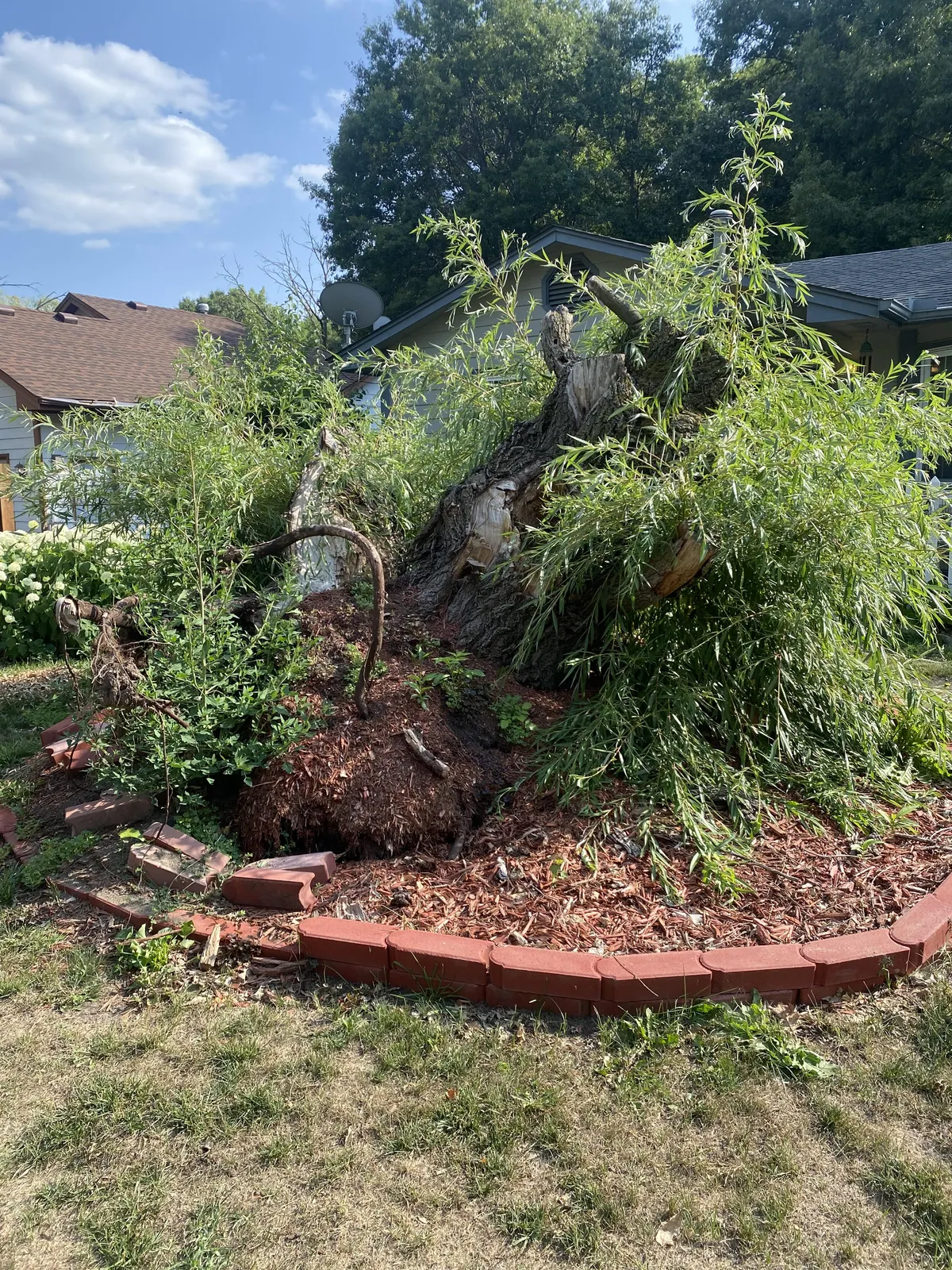
Dayton has seen massive master planned residential development on land that was long held farmland not long ago, which creates an interesting dynamic, brand new subdivisions built around trees that, in many cases, are older than almost anywhere else in the immediate area. Trees in Dayton average around 51 feet tall and 60 years old, meaningfully older than in most surrounding NW Metro communities, and older trees generally common throughout the city are more susceptible to disease, wear, and storm damage than younger plantings elsewhere.
Schedule Your Consultation
Protect Your Family, and Your Land, With a Free Risk Assessment
What Tree Care Actually Looks Like in Dayton
Real Local Factors That Affect Your Trees
Dayton's combination of new master planned development and genuinely old, established trees means age related risk factors show up here more than in most rapidly growing NW Metro communities. A 60 year average tree age is a meaningful number, it means a real share of Dayton's canopy has had plenty of time to develop both size and, potentially, the kind of structural issues worth catching before they become urgent.
What Homeowners in Dayton Are Actually Dealing With
Green ash, American basswood, and sugar maple are among the most common species, averaging 51 feet tall and 60 years old: This average age is notably higher than many neighboring communities, which means age related risk factors deserve real attention here.
Older trees prevalent throughout Dayton are more susceptible to disease, general wear, and damage: This makes a proper health assessment especially valuable on established Dayton properties, rather than assuming an older tree is simply fine because it's always been there.
New master planned development sits directly beside long held farmland and its older tree stock: This means tree decisions in Dayton can vary considerably depending on whether a property is part of recent development or part of the area's older, more established land.
What Removal Actually Costs in Dayton
Average removal cost runs around $595 to $603, typically ranging from $227 to $946: Consistent with several neighboring NW Metro communities.
Emergency removal averages around $889: Reflecting the added cost of urgent, unscheduled work.
Stump removal averages around $184 to $321 depending on the source and stump size: Priced separately from removal, as is standard across the region.
Service Area
Serving Dayton and the surrounding Rapid New-Growth Corridor, including Otsego, Rogers, and Champlin.
Professional. Trusted. Top-Tier
Because Top-Tier People Deserve A Top-Tier Experience
Step 1: Assessment and Diagnosis
A certified evaluation of the tree's species, health, structural condition, and proximity to your home or power lines determines whether removal is actually necessary or whether pruning, cabling, or another form of management is right to solve your problem instead.
Step 2: Honest Recommendation
You get a clear explanation of what was found and why a specific plan, whether that is removal, pruning, or ongoing health management, is the right call for this tree. We walk through pricing, timelines and next steps so you know exactly what to expect and how to plan for protecting your home and your budget.
Step 3: Safety-First Execution
For open space trees, a straightforward fell. For anything near a structure, fence, or power line, our expert crew will climb and remove the tree in sections using proper rigging, always in full PPE.
Step 4: Clean-UP and Re-planting Guidance
Debris is chipped and hauled, stumps are addressed as their own step, and where a tree comes down, you get real guidance on replanting with species diversity in mind so one future pest or disease cannot wipe out the whole yard again.
We Speak Your Language
Transparent Land Management You Actually Understand
Blake started Top Tier Tree because he was tired of watching neighbors get talked into removals they didn't need. A tree that's been on a property for forty years doesn't deserve a five minute look and a quote written on the back of a business card. When you call Top Tier every job starts the same way it did on day one, we walk the property, take a real look at what's going on with your property , and provide a straight, no-BS answer about what needs to happen next, always prioritizing management over removal. No upsell, no scare tactic about your roof. Just someone who actually knows trees, telling you the truth about yours.
FAqs
Common questions Your Neighbors Are asking
How much does tree removal cost in Dayton?
Average cost runs around $595 to $603, typically ranging from $227 to $946, with emergency removal averaging closer to $889.
Why does Dayton have so many older trees despite being a newer development area?
Much of Dayton's recent growth has happened on former farmland, which means many of the area's trees predate the master planned communities now built around them, with an average age of around 60 years.
Do older trees in Dayton need more frequent assessment?
Generally yes. Trees averaging 60 years old are more susceptible to disease, decay, and storm damage than younger plantings, which makes periodic health assessment worth prioritizing on established Dayton properties.
Worried about a tree on your property? Let's Take A closer look
Rooted Right Here in Anoka County. Serving The Twin Cities Metro
Don't see your city listed? Don't worry, we probably serve your neighborhood as well. Reach out today to confirm.
Oak Grove MN
Andover MN
St. Francis MN
Ramsey MN
Ham Lake MN
Nowthen MN
Elk River MN
Anoka MN
Rogers MN
Dayton MN



Anoka County's Trusted Provider Of Professional Tree Services. Proudly Serving Oak Grove, MN and the surrounding North Metro.
Certified & Insured For All Tree Services In The State Of Minnesota
Copyright 2026. Top Tier Tree. All rights reserved.